SHOPPING CART
No products in the cart.



If you’ve started researching baby gear, you’ve probably quickly realized that the range of choice is enormous. Strollers, bouncers, play mats, bottle warmers, sterilizers, organizers, sleep aids … The list seems almost endless.
With so many options, it’s easy to feel like you need to buy almost everything before the baby is even born. The truth, however, is much simpler. Some products will be with you from day one, others won’t come into play until a few months later. Good preparation doesn’t mean the biggest shopping cart. It means knowing which products you’ll actually use, how to choose them, and when you’ll need them.
At Mimelo, we believe that preparing for your baby’s arrival doesn’t mean buying as many things as possible. It means thoughtfully choosing products that will make everyday life easier and that you’ll enjoy using long after the first few weeks.
In this guide you’ll find an overview of the gear that makes sense to prepare before the birth, along with tips on which purchases you don’t need to rush.
When you’re expecting your first child, it’s completely normal to want to be prepared for everything. However, it’s precisely the desire for complete preparedness that often leads to purchases we barely use later on.
Before you start choosing individual products, think about one simple question: What will the baby actually need every day in the first weeks of life? The answer is fairly simple. In the first weeks, your everyday life will revolve around a few basic routines – sleeping, feeding, diapering, bathing, and the first walks. That’s exactly why it makes sense to start your preparations in these areas too.
Once you’ve got the basics sorted, it will be much easier to choose additional gear that fits your lifestyle and your child’s development.
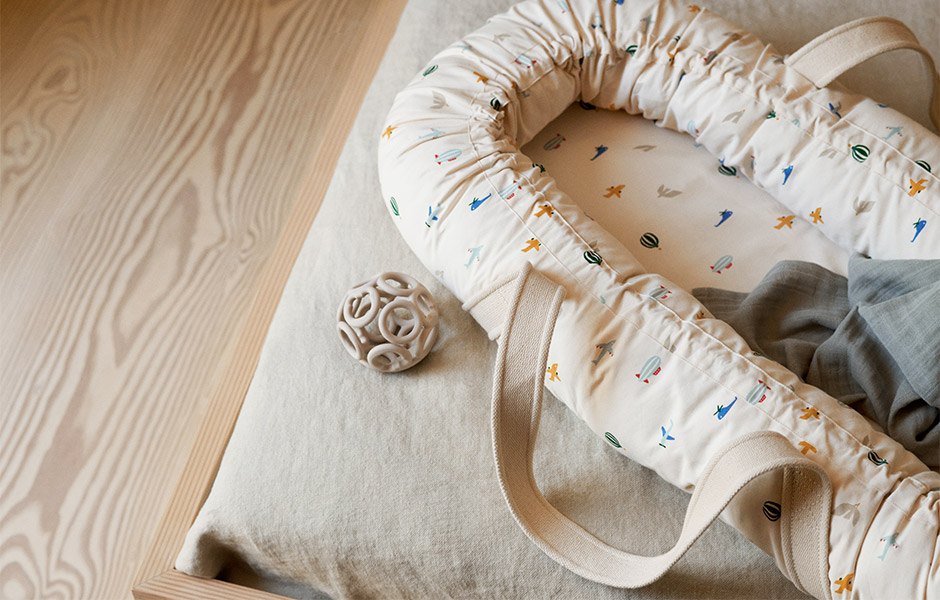
In the first weeks, a newborn sleeps through most of the day. That’s exactly why a quality, safe sleep environment is one of the first things worth arranging even before the baby arrives.
Many parents first focus on the look of the nursery when choosing. A nicely arranged room is of course pleasant, but when it comes to sleep gear, safety is far more important than aesthetics.
To start, you’ll need:
A sleeping bag is one of the most practical choices for many families, as it helps maintain even warmth during sleep and reduces the chance of the baby uncovering themselves while asleep. When choosing a sleeping bag, pay particular attention to the TOG rating, which indicates what room temperature it’s suitable for. This way your baby will be comfortable regardless of the season.
A quality sleeping bag also means less adjusting of blankets at night and more peaceful sleep for the whole family.
On social media we often see cribs full of decorative pillows, bumpers, blankets and plush toys. Although they look very appealing, expert recommendations advise otherwise. For safe sleep, a crib should be as empty as possible. Besides the mattress and fitted sheet, additional soft items are not recommended, as they can increase the risk of breathing difficulties or the baby’s face being covered.
This is one of those cases where the simpler solution is also the safer choice. When choosing sleep products, pay attention above all to the quality of materials, appropriate size, and easy maintenance. Soft colors and nice design are a pleasant addition, but by no means the most important criterion.
In the first few months you’ll change your baby’s diaper several times a day. A well-organized changing corner therefore quickly becomes one of the most used spots in the home.
The good news is that you don’t need a special nursery or a large changing dresser for this.
Many families use an ordinary dresser fitted with a quality changing pad, or a portable pad that they move between rooms as needed. When choosing a changing pad, make sure it has a surface you can wipe down quickly, and enough space for comfortable changing even once your baby is a bit bigger.
Basic equipment includes:
Organizers, baskets or changing bags aren’t essential, but they can make your everyday routine much easier, since you’ll always have all your supplies at hand – at home or on the go. More important than the furniture itself is having everything within reach. During diaper changes we never leave the baby unattended, so it’s good to be able to reach all the necessary items with one hand.
On the market you’ll find various wipe warmers, special organizers, diaper pails with elaborate systems, and many other accessories.
For some families they really do make everyday life easier; for others they end up barely used. If you don’t want to overdo it with purchases, start with the basics. Once you’ve established your routine, you’ll quickly figure out which accessories can make everyday diapering even easier. For some families organizers matter most, for others it’s portable pads or several changing sets for different rooms.
One of the most common dilemmas for expectant parents is how much feeding gear to buy before the birth. The answer depends mainly on how feeding will go once the baby arrives. Since this often can’t be predicted in advance, it makes sense to start with basic supplies.
It’s practical to prepare:
With bottles, it’s not just about how many you buy, but also choosing ones that will be easy to clean and will suit the way your baby feeds. If you breastfeed, you may not need most bottles at all in the first weeks. If you use formula or combination feeding, you’ll gradually adjust your gear to your needs.
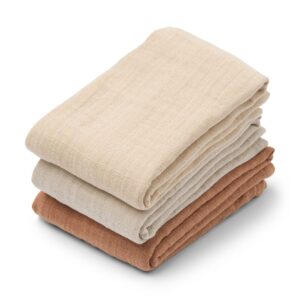
Muslin cloths are one of the most versatile products, and you’ll likely use them several times a day – at home, on walks, or on the go.
You can use them:
Precisely because of their versatility, they’re among the products most parents end up using for much longer than they initially expected. Because of frequent washing, it’s worth choosing quality muslin or cotton that stays soft even after many washes.
Many parents imagine their baby will enjoy a long bath every evening. In reality, newborns don’t need daily bathing. In the first weeks (while the umbilical stump is healing), a few baths a week is usually enough, and on the other days, gentle washing of the face, hands and diaper area suffices.
A few thoughtfully chosen essentials will be enough to make bath time pleasant for both baby and parents.
To start, you’ll need:
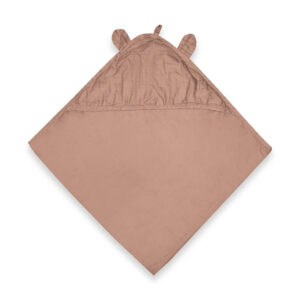
When choosing textiles, it makes sense to prioritize natural materials such as quality cotton. These are gentle on sensitive baby skin, absorb moisture well, and stay soft even after several washes. A hooded towel will be useful long after the newborn stage, so it’s worth choosing quality cotton that absorbs water well and stays soft even after many washes.
The baby bathtub should be stable and an appropriate size, so bathing is pleasant for both you and your baby.
If you’re looking for bathing products later on, in the Bathing category you’ll also find baby towels, bathrobes and other essentials that grow along with your child.
Perhaps the biggest mistake when preparing for baby’s arrival is buying too much of the smallest clothing sizes.
Newborns grow surprisingly fast. Some babies only wear size 50 for a few days, or skip it altogether. Instead of a full closet, it’s much more practical to prepare a smaller amount of quality clothing that you’ll be happy to wash repeatedly.
You’ll need approximately:
You’ll change your newborn’s clothes several times a day in the first weeks, so you’ll quickly realize that practical cuts and quality materials matter far more than the number of outfits in the closet.
A stroller is one of the bigger purchases before the birth, so take a bit more time for it. Online you’ll quickly find recommendations for the “best stroller,” but there’s no universal choice. The best stroller is the one that fits your lifestyle.
Above all, think about:
If you travel a lot or live in the city, you’ll likely be looking for a light, compact model. If most of your walks take you over rougher terrain, larger wheels and good suspension will be more important.
If possible, try the stroller out before buying. Try folding it, lifting it into the trunk, and driving it over different surfaces. Differences between models often only become apparent with everyday use. That’s exactly why it’s worth choosing a stroller based on your own needs, not just its looks or popularity on social media.
In the Strollers category you’ll find models for different lifestyles, from lightweight city strollers to solutions for families who spend a lot of time outdoors.
If you’ll be bringing your newborn home by car, you’ll need an appropriate car seat. Looks should not be the main criterion when choosing one.
More important are:
If you’re buying your first car seat, also check whether it’s compatible with your stroller. Many systems allow you to easily transfer a sleeping baby from the car to the stroller without waking them.
Regardless of the model, correct installation is crucial. Even the highest-quality car seat doesn’t provide optimal protection if it isn’t installed correctly.
In the first weeks after birth, you’ll mainly need gear for sleeping, feeding, diapering and the first walks. But as your baby grows, their needs will gradually change too – and along with them, the products that become part of your everyday life.
Around six months, you’ll start choosing a high chair, your first silicone plates, cups, bibs, and cutlery to accompany the introduction of solid food. As motor skills develop, developmental toys will come into play, followed later by balance bikes, backpacks and other gear for independently exploring the world.
Each developmental stage brings new challenges, so it makes sense to choose gear gradually. This way you’ll more easily find products that fit your child’s age, your lifestyle, and how you’ll use them.
That’s exactly why at Mimelo we carefully select products for every developmental stage – from the first days to the first independent steps. This way you can build up your gear gradually and always choose whatever will be most useful for your family at that particular moment.
Every family is different, but some mistakes tend to repeat quite often.
The desire to be prepared for everything often leads to full closets and an emptier wallet. It’s much more sensible to buy gradually.
A nice design is pleasant, but it should never outweigh functionality, quality of materials, or safety. The prettiest product isn’t always the most practical one.
Some products are great for city living, others for active families, others still for smaller apartments. Always think about how you personally will use the product.
Before making bigger purchases, also think about where you’ll use and store individual items. A stroller that’s excellent for long walks might not be the most practical for a small apartment without an elevator.
The arrival of a baby brings a lot of new decisions, but you don’t have to make them all at once. Once you know the needs of each stage, choosing gear becomes much simpler.
At Mimelo, we believe the best decisions aren’t necessarily the biggest or the most expensive. They’re the ones that make life a little easier for parents each day and allow the child a safe, comfortable and carefree upbringing.